
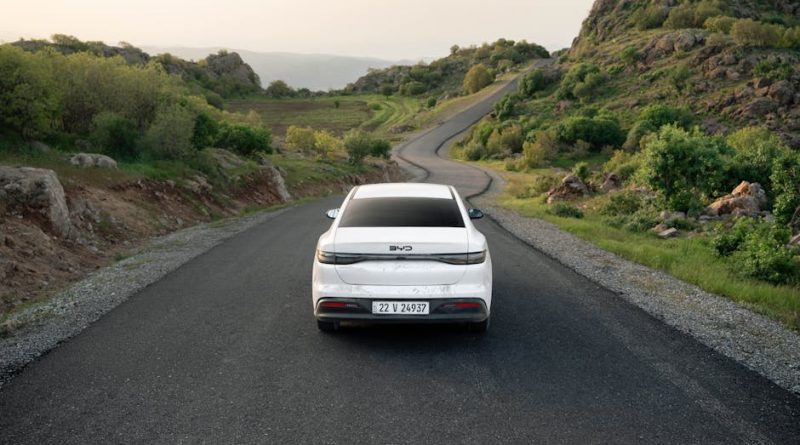
BYD Intensifies Price War, Announces Limited-Time Discounts on Three Dynasty Series Models to Challenge ICE Market
Shenzhen, China – BYD, the world’s leading electric vehicle manufacturer, has announced significant limited-time discounts on three popular models from its Dynasty Network series. This aggressive move is designed to further accelerate the transition from internal combustion engine (ICE) vehicles to new energy vehicles (NEVs) in the crucial Chinese market.
The targeted promotional campaign underscores BYD’s continued strategy to broaden its market dominance by offering more accessible pricing. While specific models and discount amounts were not detailed in the initial report, such initiatives typically involve cash incentives, enhanced financing options, or upgraded feature packages for a limited period.
This development follows a broader trend in the Chinese automotive industry where intense competition and evolving consumer preferences are driving NEV manufacturers to consistently introduce competitive pricing strategies. BYD, already a market leader, is leveraging its scale and integrated supply chain to exert pressure on both domestic and international ICE carmakers, aiming to convert traditional fuel vehicle owners to electric mobility.
Analysts suggest these latest price adjustments from BYD’s Dynasty Network – a lineup known for its popular sedans and SUVs – will likely spur increased sales volume and further solidify the company’s commanding position in China’s rapidly expanding NEV sector. It also signals that the “price war” in China’s automotive market, particularly between NEVs and ICE vehicles, shows no signs of abating.
What This Means for the Global Market
BYD’s sustained aggressive pricing in its home market signals a potent competitive threat to global automakers, including Tesla and traditional European and Japanese brands, who are already struggling to gain traction in China’s fiercely competitive EV space. This strategy could force international players to reconsider their own pricing and product positioning, potentially leading to a broader global price deceleration for EVs as Chinese manufacturers export their cost efficiencies and competitive tactics.