
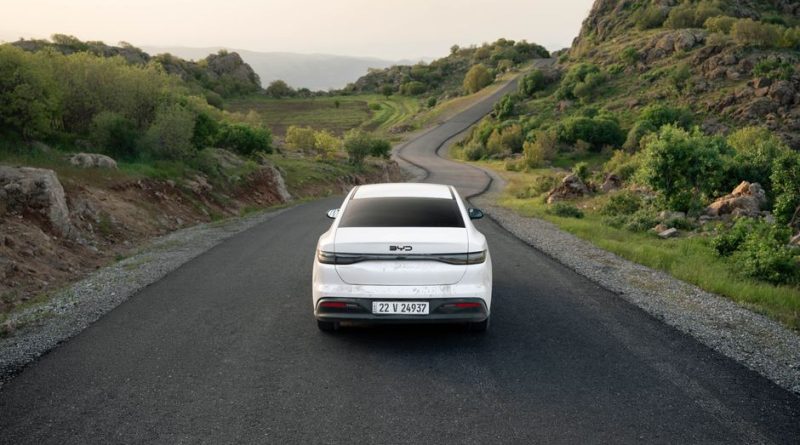
BYD’s Premium Tang SUV Targets Luxury Segment, Posing Direct Challenge to BBA in China
SHENZHEN – Chinese automotive giant BYD has officially unveiled a premium variant of its flagship Tang SUV, with pricing points around 400,000 RMB (approximately US$55,000). This strategic launch positions the domestic SUV to directly challenge established luxury benchmarks from BMW, Mercedes-Benz, and Audi (collectively known as “BBA”) within China’s highly competitive high-end automotive segment.
The new Tang model aims to entice discerning consumers who traditionally gravitate towards foreign luxury brands by offering a compelling blend of advanced technology, opulent design, and superior performance. While specific detailed features were not immediately disclosed, industry observers anticipate the vehicle will boast BYD’s cutting-edge Blade Battery technology, advanced DM (Dual Mode) plug-in hybrid powertrains, and potentially a pure electric variant delivering extended range and rapid acceleration. Furthermore, it is expected to integrate a sophisticated intelligent cockpit experience, incorporating state-of-the-art connectivity, advanced driver-assistance systems (ADAS), and premium interior materials designed to rival its German competitors.
BYD’s aggressive move into the 400,000 RMB price bracket signals its confidence in its product quality, brand appeal, and technological prowess. For years, domestic Chinese brands have struggled to penetrate the premium segment dominated by international players. However, with significant advancements in design, engineering, and manufacturing, companies like BYD are increasingly demonstrating their capability to offer value propositions that can genuinely sway BBA owners.
The Tang’s enhanced luxury features, coupled with BYD’s robust after-sales service network and the growing preference among Chinese consumers for high-tech domestic alternatives, are critical factors expected to drive its success. This introduction could accelerate the premiumization trend among Chinese automotive brands, potentially reshaping the competitive landscape of the luxury SUV market in China.
What This Means for the Global Market
BYD’s ascent into the premium segment with models like the high-end Tang signals a broader trend of Chinese automakers challenging traditional luxury brands, not just domestically but potentially globally. This could force established players like BMW, Mercedes-Benz, and Audi to accelerate their EV strategies and rethink pricing, especially as BYD expands its international footprint. It also highlights the increasing sophistication and competitiveness of Chinese automotive engineering, setting a new benchmark for what consumers can expect from non-traditional luxury vehicle manufacturers worldwide.