
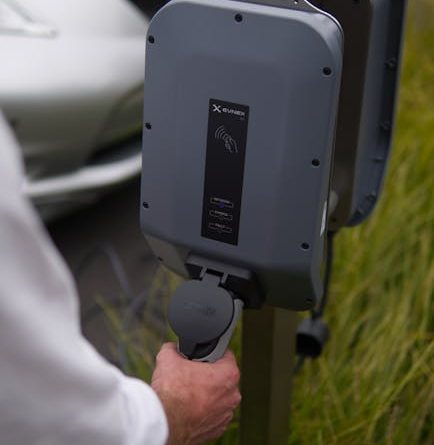
BYD’s Charging Strategy: A Deep Dive into Market Competitiveness and Consumer Appeal
Setting the Stage: BYD’s Charging Philosophy in a Rapidly Evolving Market
As the global electric vehicle (EV) market accelerates its pace of innovation, consumer focus increasingly extends beyond mere range to include charging speed. A pertinent question circulating among prospective buyers and industry analysts alike is: “Can BYD still maintain its market leadership without prioritizing ultra-fast charging technology?” This query, originating from prominent automotive media, underscores a critical strategic choice made by China’s EV behemoth.
BYD, a pioneer in battery electric vehicles, has built its formidable reputation on robust, safe, and cost-effective solutions, largely powered by its proprietary Blade Battery technology. While immensely successful in delivering impressive range and battery longevity, BYD’s current vehicle lineup typically supports charging speeds that, while competitive, do not always match the bleeding-edge 800V architectures and ultra-high-power charging (e.g., 5C+) capacities being aggressively marketed by some rival manufacturers.
The strategic rationale behind BYD’s approach is multifaceted. The company has historically emphasized battery safety, durability, and a lower total cost of ownership. For a majority of daily users, who primarily charge at home or work, existing charging speeds often suffice, replenishing enough range overnight or during office hours. This focus aligns with real-world usage patterns for many, prioritizing long-term battery health and overall system reliability over marginal gains in charging time for infrequent long-distance trips.
However, the competitive landscape is shifting rapidly. With new entrants and established players showcasing impressive “charge in minutes” capabilities, the perception of a vehicle’s modernity and convenience can be heavily influenced by its charging performance. This creates a critical challenge for BYD: how to articulate the enduring value of its battery technology and comprehensive EV ecosystem against the allure of headline-grabbing rapid charging statistics?
Ultimately, the decision for consumers hinges on their individual priorities. While extreme fast charging offers convenience for specific use cases, BYD continues to deliver compelling value through superior range, safety, and a broad product portfolio. The question isn’t whether BYD can be bought without ultra-fast charging, but rather, whether its comprehensive advantages continue to outweigh this specific technological differentiator in the minds of a diverse and demanding global EV market.