
Great Wall Motor Inaugurates Tianjin Mindu Plant, Bolstering EV Component Production Capacity
Great Wall Motor Inaugurates Tianjin Mindu Plant, Bolstering EV Component Production Capacity
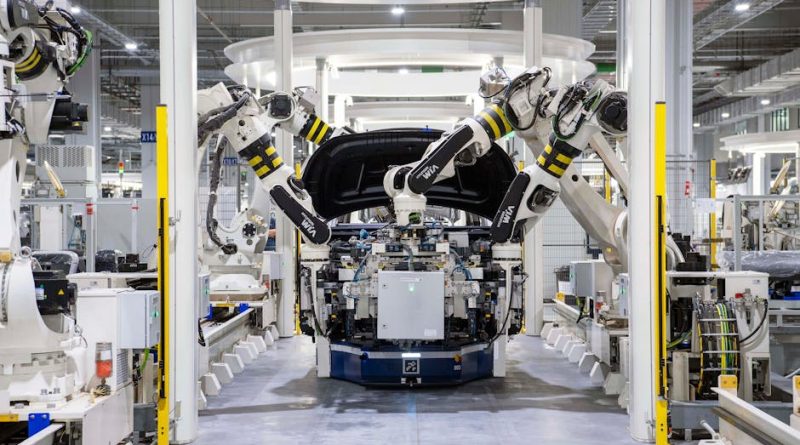
Tianjin, China – Great Wall Motor (GWM) has officially announced the commencement of operations at its Mindu Tianjin factory, marking a significant strategic expansion for the prominent Chinese automaker. The new facility is set to enhance GWM’s manufacturing capabilities, particularly for critical automotive components, thereby strengthening its supply chain and supporting its rapidly growing electric vehicle (EV) portfolio.
The Mindu brand (often associated with automotive components under the GWM umbrella) plays a crucial role in GWM’s vertical integration strategy. The Tianjin plant’s activation is expected to boost production efficiency and output, ensuring a stable supply of high-quality parts for GWM’s diverse range of vehicles, including its popular EV models from brands like ORA, WEY, and HAVAL.
Located in Tianjin, a key industrial hub in northern China, the new factory benefits from robust logistics infrastructure and a skilled workforce. This strategic positioning is anticipated to further optimize GWM’s production network, reduce lead times, and enhance the company’s overall competitiveness in both domestic and international markets.
The move underscores Great Wall Motor’s unwavering commitment to expanding its manufacturing footprint and investing in advanced production technologies. As GWM continues to accelerate its electrification strategy and broaden its global presence, the Mindu Tianjin plant will be instrumental in meeting the increasing demand for its innovative automotive products.
What This Means for the Global Market
The operational launch of GWM’s Tianjin Mindu plant signifies a further strengthening of China’s automotive supply chain and GWM’s internal component production capabilities. This enhances GWM’s ability to scale EV production competitively, potentially increasing its export volumes and putting pressure on global automakers, including Tesla and traditional European manufacturers, to innovate faster and reduce costs in their own supply networks.