
Great Wall Motor Champions Enduring Business Trust Amid China’s Intelligent Manufacturing Push
Great Wall Motor (GWM), a prominent Chinese automotive manufacturer, is drawing profound parallels between China’s ancient commercial integrity, historically exemplified by the venerable Pingyao Piaohao banking system, and its contemporary “intelligent manufacturing” ethos. This strategic emphasis underscores a foundational commitment to business trust (商业信义) as a cornerstone for sustainable growth within the fiercely competitive electric vehicle (EV) and broader automotive sectors.
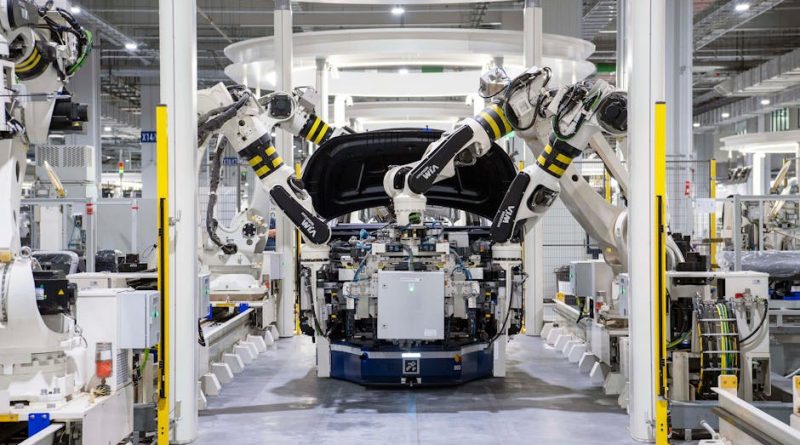
The company highlighted its dedication to commercial integrity as a core tenet guiding every facet of its operations, from meticulous product development and robust supply chain management to comprehensive customer relations. In an era defined by rapid technological advancements, especially within the burgeoning EV segment, and escalating global competition, GWM posits that enduring trust is paramount. This philosophy, deeply rooted in centuries of rich Chinese business tradition, is now being meticulously integrated into GWM’s ambitious push towards “intelligent manufacturing.” This involves leveraging cutting-edge advancements in robotics, artificial intelligence (AI), and data analytics to produce vehicles that are not only technologically advanced but also consistently high-quality and exceptionally reliable.
GWM asserts that this unwavering commitment ensures not only product excellence and safety but also fosters robust partnerships across its ecosystem and cultivates profound consumer confidence. These elements are deemed essential for maintaining its leadership position in the domestic market and for achieving its ambitious international expansion goals, positioning its brand as a benchmark for reliability and ethical practice.
What This Means for the Global Market
This deliberate focus by a major Chinese automaker on foundational values like business trust and commercial integrity, rather than solely on technological prowess or aggressive pricing, signals a significant maturation of the Chinese automotive industry. For global rivals such as Tesla and established European and Japanese automakers, it suggests that Chinese EV companies are increasingly building brand equity on reputation, reliability, and ethical standing. This strategic shift could significantly alter global consumer perceptions, moving beyond considerations of just affordability or tech specifications, and potentially leading to greater international market acceptance and more intense, holistic competition across the automotive landscape.