
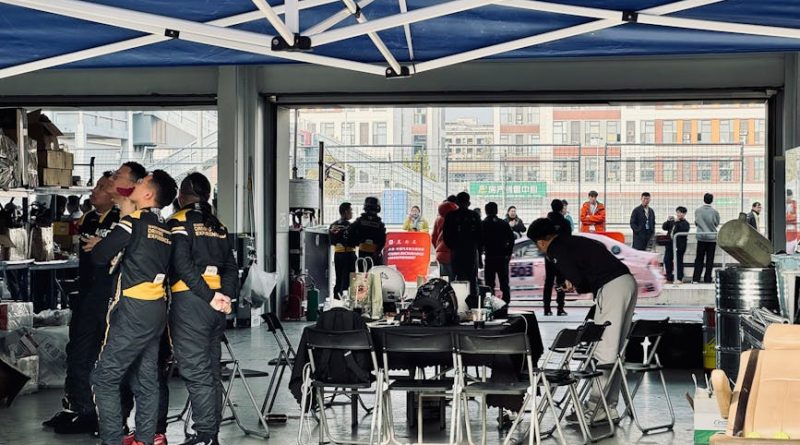
Great Wall Motor Chairman Wei Jianjun: Motorsports Crucial for Forging China’s Automotive Culture
Great Wall Motor Chairman Wei Jianjun: Motorsports Crucial for Forging China’s Automotive Culture
Wei Jianjun, the influential Chairman of Great Wall Motor (GWM), one of China’s largest privately-owned automotive manufacturers, recently emphasized the critical role of motorsports in cultivating a distinct and robust Chinese automotive culture. Speaking on the strategic direction for the nation’s auto industry, Wei stated, “Auto racing is the only way to build Chinese automotive culture.”
Wei’s declaration underscores a growing sentiment within China’s automotive leadership that cultural identity and consumer passion are as vital as technological advancement and market share. Motorsports not only provide a rigorous testing ground for new technologies, pushing the boundaries of performance and engineering, but also serve as a powerful platform for brand building and emotional connection with consumers. For GWM, a company with a strong presence in SUVs, pickups, and increasingly new energy vehicles (NEVs), this vision could translate into deeper engagement with performance-oriented divisions or sponsorship of significant racing events, thereby elevating the perception and desirability of Chinese automotive brands both domestically and internationally.
By investing in and promoting automotive racing, Chinese manufacturers aim to foster a deeper appreciation for automotive engineering, design, and performance among the public. This cultural push is expected to inspire innovation, attract talent, and ultimately create a more sophisticated and discerning market for vehicles, moving beyond mere utility to encompass passion and prestige.
What This Means for the Global Market
This strategic focus from a major Chinese automaker like GWM signals a maturing industry aiming for global cultural impact, not just market dominance. It could lead to increased collaboration with international motorsports organizations, heightened competition in performance vehicle segments, and potentially position Chinese brands as serious contenders on the global racing stage, challenging established perceptions and influencing future global automotive trends and technology.