
Huawei’s HIMA Partners Face Stiff ¥20 Billion Half-Year Fee: Is the Collaboration Sustainable?
Huawei’s HIMA Partners Face Stiff ¥20 Billion Half-Year Fee: Is the Collaboration Sustainable?
SHANGHAI – Huawei Technologies’ aggressive foray into the automotive sector through its Harmony Intelligent Mobility Alliance (HIMA) – also known as Huawei Zhixuan – is making significant waves, but not without raising substantial questions regarding its financial demands on partner brands. Recent reports indicate that automakers integrating deeply with Huawei’s ecosystem, particularly those under the HIMA umbrella, could face payments upwards of ¥20 billion (approximately $2.75 billion USD) within a six-month period.
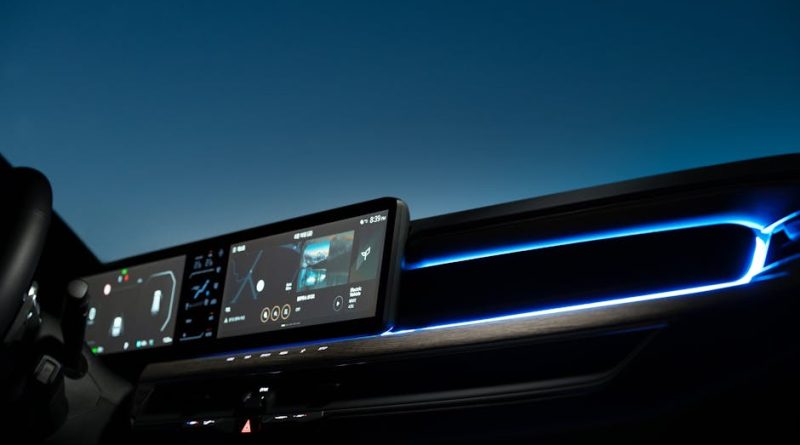
This colossal financial outlay has ignited debate across the Chinese automotive industry: Is joining HIMA a viable and sustainable path for EV manufacturers seeking to differentiate themselves in an increasingly crowded market? The allure of partnering with a tech giant like Huawei is undeniable. Brands gain access to Huawei’s cutting-edge intelligent driving solutions, its robust HarmonyOS Smart Cockpit, extensive retail network, and powerful brand recognition. For smaller or newer EV players, this partnership can offer a critical lifeline and a shortcut to advanced technological capabilities that would otherwise require massive in-house R&D investment.
However, the reported ¥20 billion fee suggests a significant challenge to the profitability and financial independence of these automotive partners. While Huawei brings undeniable value in technology and market reach, such high recurring costs could severely impact the bottom line for automakers, potentially forcing them to pass on expenses to consumers or compromise on other investments. Critics also point to the potential for partner brands to lose their unique identity, becoming increasingly reliant on Huawei’s overarching system and design philosophy.
The current model appears to favor Huawei’s rapid expansion and deep integration strategy, effectively turning automakers into hardware platforms for Huawei’s software and intelligent systems. This structure is a stark contrast to traditional OEM-supplier relationships and raises questions about who ultimately controls the product’s future direction and monetization.
What This Means for the Global Market
Huawei’s high-cost, high-integration partnership model in the Chinese EV market sets a precedent for how tech giants might collaborate – and dominate – the global automotive industry. This aggressive strategy could pressure traditional global automakers to rapidly accelerate their in-house software and intelligent system development to avoid becoming mere hardware suppliers, or conversely, drive them towards similar deep and potentially costly alliances with other tech firms. It also highlights the escalating financial investment required to compete effectively in the intelligent EV space, potentially impacting market consolidation and the long-term viability of smaller automotive brands worldwide.