
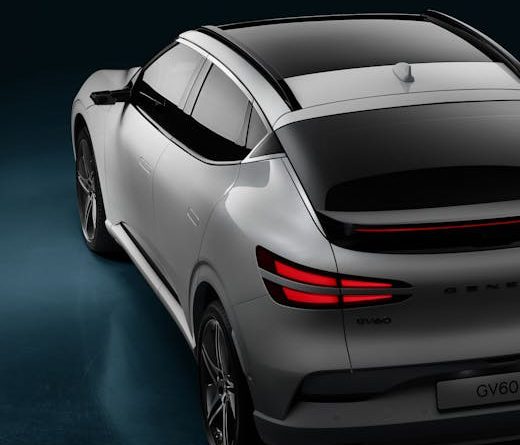
AITO Enters Ultra-Premium EV Segment with New 650,000 RMB Model, Harmony Intelligent Mobility Prioritizes ‘Extended’ and ‘Bespoke’ Luxury Strategy
AITO Targets Ultra-Premium EV Market with Flagship 650,000 RMB Offering
Shanghai, China – AITO (Wenjie), the innovative electric vehicle brand operating under Huawei’s Harmony Intelligent Mobility Alliance (HIMA), has officially announced its bold entry into the ultra-premium segment of the Chinese EV market. The brand’s latest offering will reportedly command a price point starting at 650,000 RMB (approximately $90,000 USD), marking AITO’s most ambitious pricing strategy to date and signaling a direct challenge to established luxury automakers.
This strategic move underscores HIMA’s clear roadmap for future product development, which will prominently feature ‘extended’ wheelbase configurations and a focus on ‘high-end customization.’ The emphasis on extended wheelbases is expected to cater to the growing demand for enhanced interior space and comfort, a hallmark of luxury vehicles in the Chinese market. Simultaneously, the commitment to bespoke customization options aims to offer affluent buyers unparalleled personalization, distinguishing AITO from mass-market competitors.
Industry analysts view this as a significant step for AITO, which has rapidly gained traction in China’s competitive EV landscape through its strong integration of Huawei’s advanced intelligent cockpit systems and technological prowess. By targeting the 650,000 RMB tier, AITO is positioning itself against top-tier domestic rivals and international luxury brands, demonstrating confidence in its product quality, technological innovation, and brand appeal within the burgeoning premium EV sector.
What This Means for the Global Market
AITO’s aggressive push into the ultra-premium segment signifies a critical maturation of China’s domestic EV industry, moving beyond volume plays to target higher profit margins and brand prestige. This development directly challenges global luxury automakers like Mercedes-Benz, BMW, and Audi, particularly within the lucrative Chinese market, by offering technologically advanced and increasingly sophisticated domestic alternatives. While not a direct threat to Tesla’s global volume models, it underscores a growing trend where Chinese brands are building credible luxury propositions, potentially reducing reliance on foreign premium imports and reshaping global perceptions of Chinese automotive innovation.