
Infotainment Showdown: Tesla Model Y, Li Auto i6, Xiaomi YU7 Battle for Smart Cockpit Dominance
Infotainment Showdown: Tesla Model Y, Li Auto i6, Xiaomi YU7 Battle for Smart Cockpit Dominance
As the Chinese electric vehicle market continues its rapid evolution, the battleground for consumer preference has increasingly shifted beyond mere range and performance to the sophistication of the in-car experience. A recent comprehensive test conducted by Autohome, a leading automotive portal, pitted three prominent EVs – the Tesla Model Y, Li Auto i6, and the upcoming Xiaomi YU7 – against each other to determine whose large-screen infotainment system truly “understands” the user better.
The rise of the “smart cockpit” is a defining trend in China’s EV sector, with consumers demanding intuitive interfaces, seamless connectivity, and robust entertainment options. This comparative review delves into the user interface (UI), user experience (UX), voice command capabilities, app ecosystem, and overall responsiveness of these vehicles’ central displays.
Tesla Model Y: The Minimalist Standard
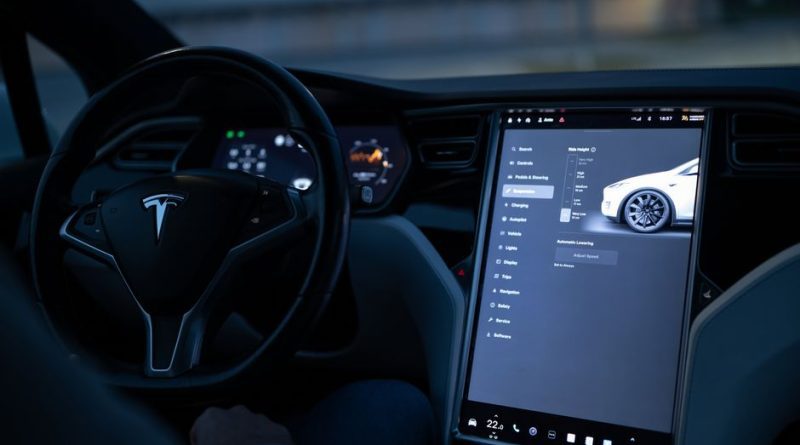
Tesla’s Model Y, a long-standing market leader, is renowned for its minimalist interior dominated by a single, large central touchscreen that controls nearly all vehicle functions. Its system, known for its clean design and over-the-air updates, prioritizes core driving information and entertainment, often relying on global applications and a streamlined navigation experience. The test likely assessed its gesture controls, voice recognition accuracy, and the fluidity of its operating system.
Li Auto i6: The Family-Oriented Challenger
Li Auto, a prominent player in China’s premium SUV segment, has consistently focused on family-centric features. The Li Auto i6, a hypothetical model in this context (assuming a future release or representative of their smart cabin philosophy), is expected to offer a highly integrated experience, potentially with multiple screens catering to both driver and passengers. Its system typically excels in local content integration, advanced voice interaction (often supporting various dialects), and features designed for long family journeys, such as enhanced entertainment options and child-friendly interfaces. The test would likely highlight its ability to balance functionality with ease of use for diverse passenger needs.
Xiaomi YU7: The Tech Giant’s Debut
Xiaomi, a titan in consumer electronics, is making its highly anticipated entry into the automotive sector with models like the YU7. Leveraging its vast ecosystem expertise, Xiaomi’s vehicle infotainment system is expected to be a powerhouse of connectivity and smart features. This includes deep integration with Xiaomi’s smart home devices, a highly customizable user interface, and a rich array of third-party applications. The review would scrutinize its UI/UX, the speed of its chip, the breadth of its app store, and its unique ability to blend the automotive experience with a broader digital lifestyle. For Xiaomi, the challenge and opportunity lie in translating its smartphone-centric user understanding into a compelling and safe in-car environment.
The Verdict: A Matter of Preference
While the full results of Autohome’s test are yet to be detailed, the premise suggests that no single system will universally “understand you better.” Tesla likely maintains its edge in raw processing power and global software updates, Li Auto in localized, family-friendly utility, and Xiaomi in seamless integration with a comprehensive digital lifestyle. The competition underscores how innovation in the smart cockpit has become a crucial differentiator in the fiercely competitive Chinese EV market.
What This Means for the Global Market
This fierce competition in China’s smart cockpit technology forces global automakers, including Tesla, to continuously innovate and adapt to rapidly evolving consumer expectations. Chinese brands like Li Auto and Xiaomi are setting new benchmarks for in-car intelligence, influencing design trends and software development worldwide. The advanced features and seamless digital integration seen in these vehicles will increasingly become a standard expectation, pressuring traditional automakers to accelerate their own digital transformation efforts or risk falling behind in key markets.